One of the best parts of living in Western Washington is the mild weather and lush green scenery. But the same conditions that keep the Pacific Northwest beautiful year-round can be tough on HVAC systems.
High humidity, long rainy seasons and increasingly hot summers mean your heating and cooling equipment must work harder than homeowners realize. That extra strain can lead to higher energy bills, reduced indoor air quality and unexpected repairs.
Let’s take a closer look at why Washington’s weather can be challenging for HVAC systems and what homeowners can do to keep their systems running efficiently and their homes comfortable year-round.
The Pacific Northwest Climate Creates Unique Heating and Cooling Challenges
In a region known for frequent rainfall, damp conditions and mild seasonal temperatures, the climate often includes:
- Many consecutive rainy days
- High humidity
- Mild but extended heating seasons
- Summers that are getting warmer
While these conditions help create the lush scenery the Pacific Northwest is known for, they can also place additional strain on HVAC systems. Heating and cooling systems in many Washington homes run for longer periods throughout the year to maintain comfortable indoor air quality and temperatures.
Over time, this extended use and prolonged exposure to moisture can increase wear on important components, reduce energy efficiency and lead to higher energy bills and maintenance needs.
Frequent Rain Can Increase the Risk of Water Damage to HVAC Systems
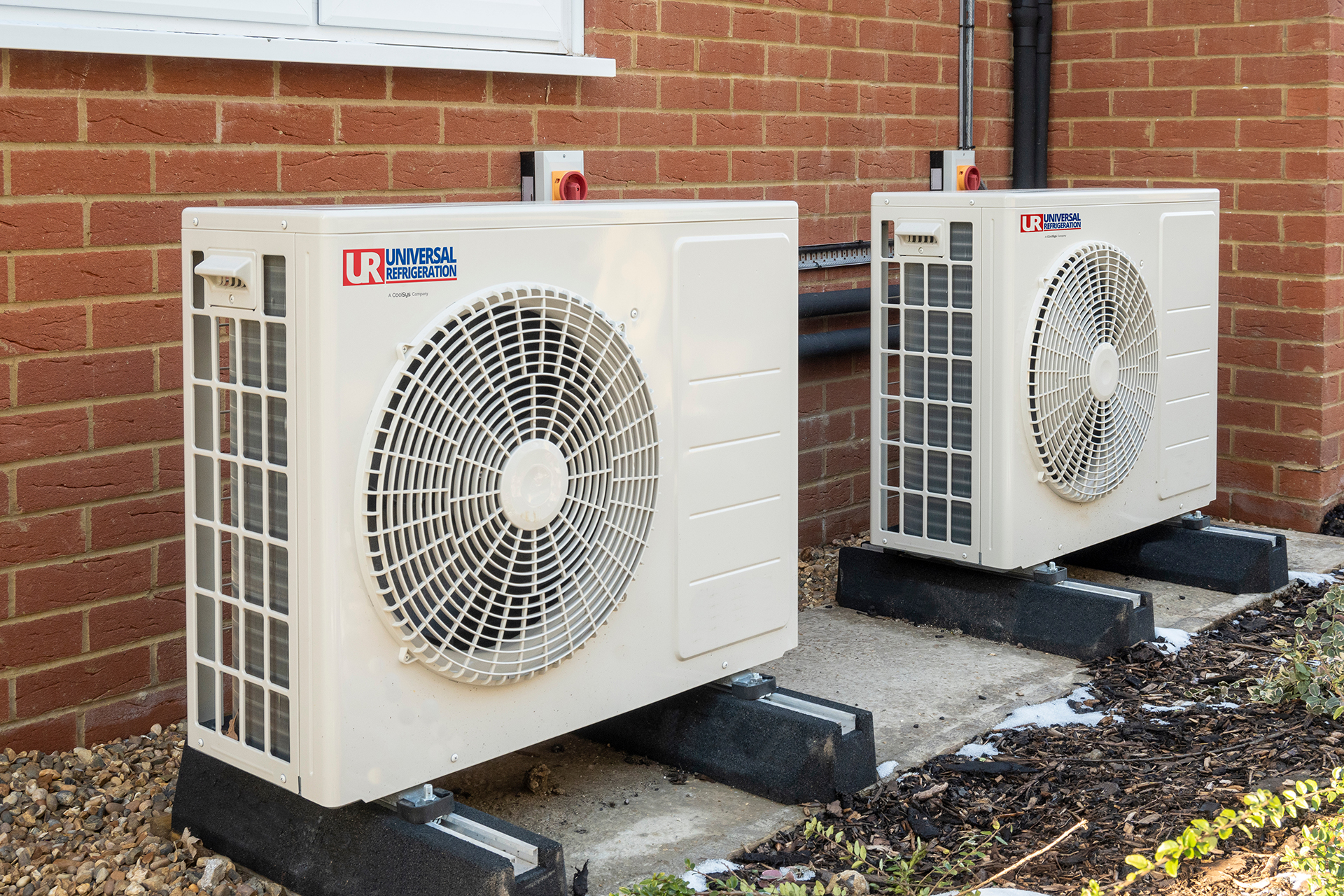
Long rainy seasons mean outdoor air conditioning systems and heat pumps are constantly exposed to damp conditions, making them vulnerable to water damage. Over time, rain and moisture can contribute to:
- Rust and corrosion
- Electrical wear
- Refrigerant line insulation deterioration
- Reduced energy efficiency
Regular Maintenance Can Help
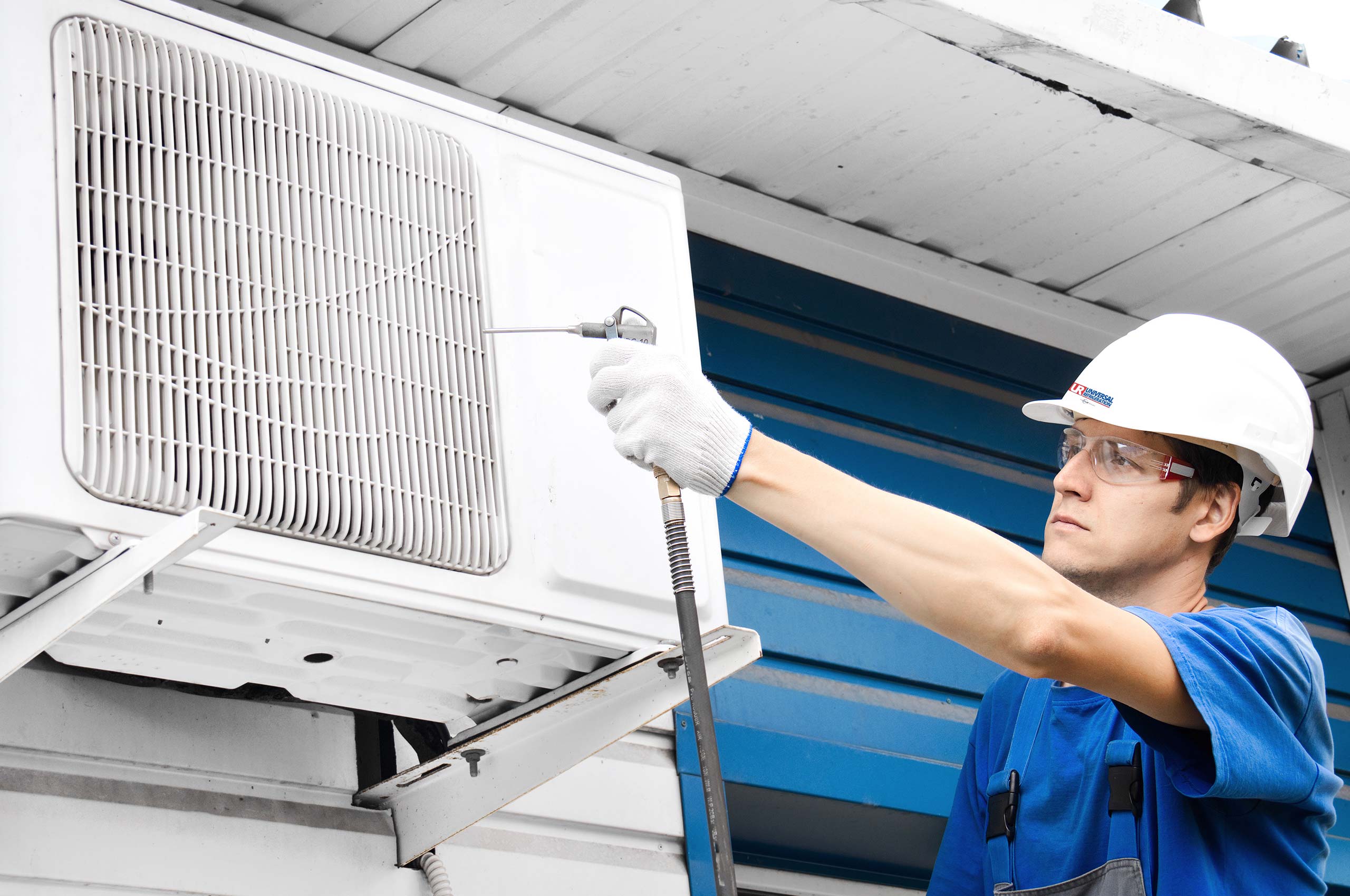
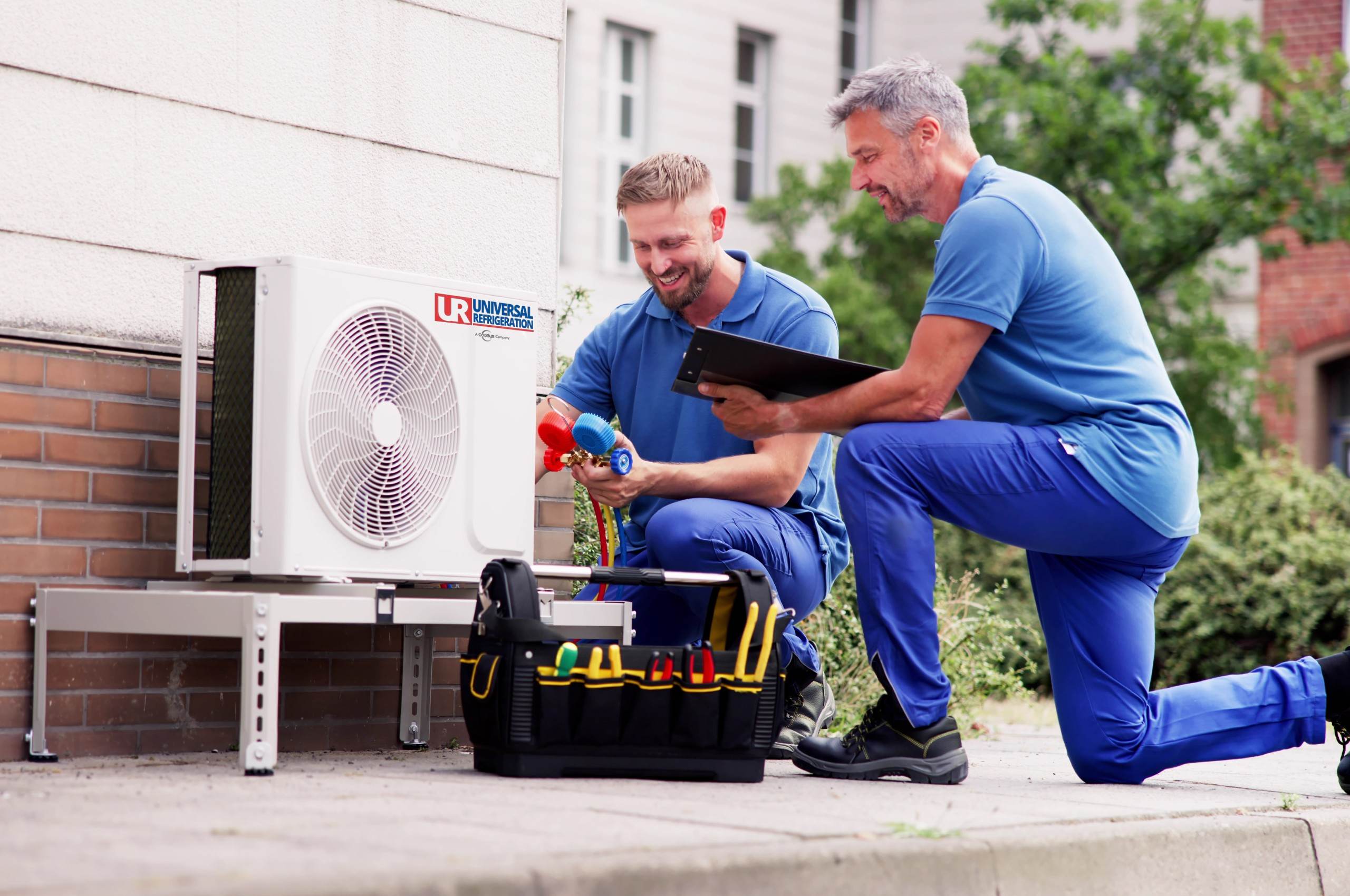
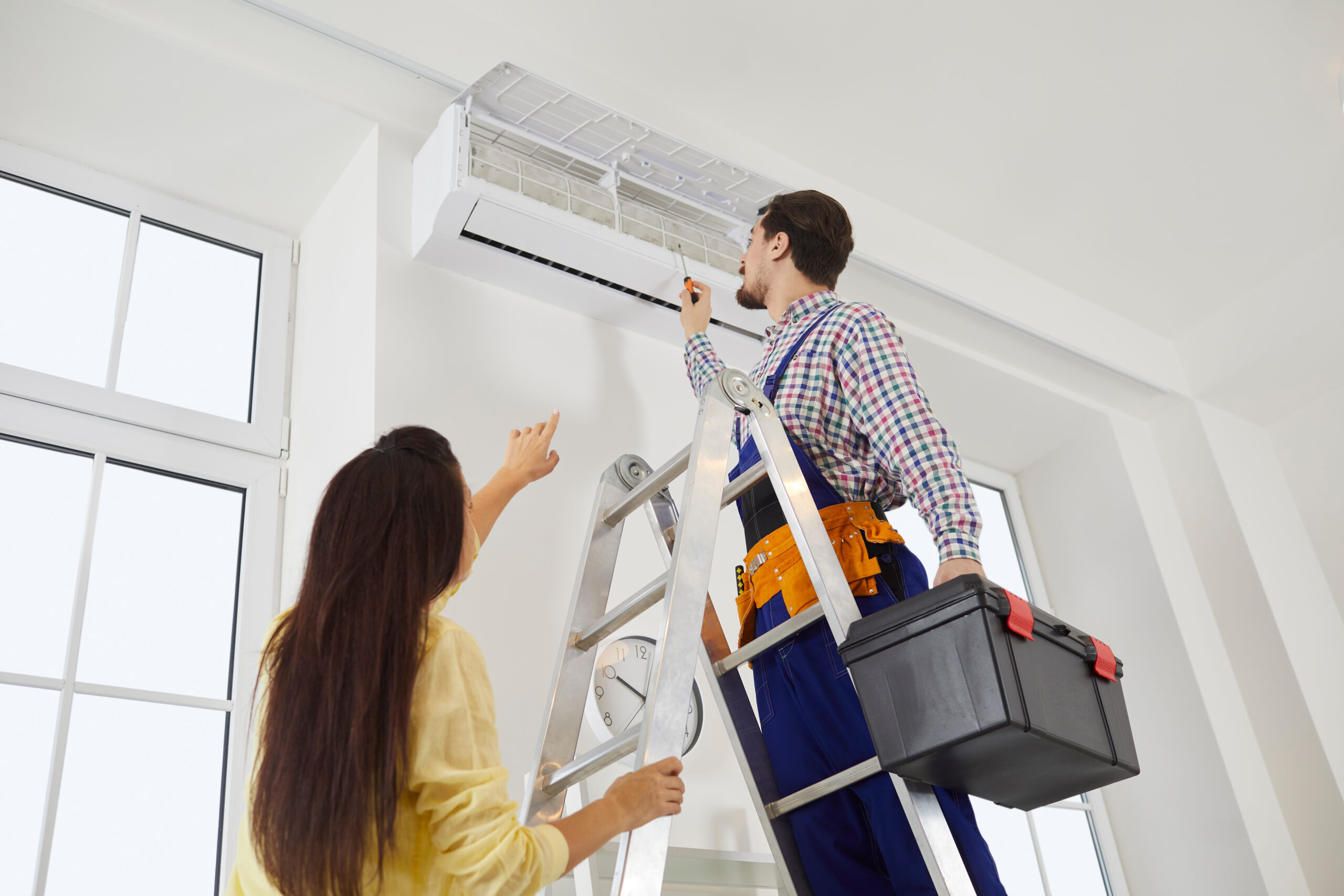
Regular maintenance and early moisture detection can help prevent water damage and keep your HVAC system operating efficiently throughout Washington’s rainy seasons.
Washington homeowners should:
- Schedule seasonal HVAC inspections
- Make sure water drains properly around heating and cooling equipment
- Check units and visible ductwork for moisture or discoloration
- Address leaks or standing water quickly
High Humidity Can Hurt Indoor Air Quality
High humidity can lead to excess moisture inside your home and throughout your HVAC system. According to the Washington State Department of Health and the U.S. Environmental Protection Agency, excess moisture can contribute to mold and mildew growth, which can affect indoor air quality.
High humidity levels may lead to:
• Musty odors
• Mildew growth around vents or ductwork
• Increased allergens indoors
• Poor indoor air quality
Moisture buildup can develop inside HVAC equipment, ductwork and around vents and registers. When this happens, heating and cooling systems must work harder to control both temperature and humidity, especially if airflow is restricted or the air filter is dirty.
Over time, excess moisture can reduce energy efficiency, lower indoor air quality and lead to higher energy bills.
Improve Indoor Air Quality with Moisture Control
Seattle homes can improve indoor air quality issues with regular maintenance and moisture control.
Homeowners should:
- Replace air filters regularly to maintain proper airflow
- Follow EPA recommended guidelines and keep indoor humidity below 60 percent, ideally between 30 and 50 percent
- Watch for musty odors near vents or ductwork
- Use exhaust fans in bathrooms and kitchens to reduce excess moisture
Long Heating Seasons Result in Higher Energy Bills
Even though Pacific Northwest winters are relatively mild, many homeowners rely on heating systems to work harder for long stretches of the year, and according to the U.S. Department of Energy, heating a home accounts for about 29% of the average household energy bill.
This means HVAC systems in Washington often:
- Run for longer periods throughout the day
- Experience more wear on motors, fans and electrical components
- Cycle on and off frequently during mild temperature swings
- Lose energy efficiency over time as parts become strained
This added strain can result in higher energy bills, reduce energy efficiency, shorten equipment lifespan and increase the likelihood of costly repairs.
Achieve Energy Efficiency by Reducing Wear on Your HVAC Systems
Washington homeowners can reduce wear on their HVAC systems by:
- Scheduling regular maintenance before peak heating season
- Installing a programmable thermostat to avoid unnecessary heating cycles
- Sealing air leaks around windows and doors to help retain heat
- Using ceiling fans and keeping interior doors open to circulate warm air more evenly throughout the home
- Replace air filters regularly to maintain proper airflow
These simple steps can help your system run more efficiently, reduce strain on critical HVAC components and help avoid higher energy bills during long heating seasons.
Warmer Summers Put Stress on Air Conditioning Systems
Summers are getting warmer in the Pacific Northwest, and the Washington State Department of Health notes that the region is experiencing more frequent and intense heat events. As a result, many HVAC systems in Seattle homes are working harder during the summer than they did in the past.
When temperatures rise, HVAC systems may suddenly shift from occasional use to running for extended periods throughout the day. This added demand can place significant strain on cooling equipment.
As a result, air conditioning systems may experience:
- Restricted airflow from clogged air filters
- Dirty condenser coils that reduce cooling efficiency
- Refrigerant issues that affect cooling performance
- Increased strain on compressors and fan motors
- Uneven cooling throughout the home
- Higher energy bills caused by reduced system efficiency
Beat the Heat with Air Conditioning Maintenance
According to the U.S. Department of Energy, proper air conditioning maintenance is essential for maintaining energy efficiency and preventing higher energy bills.
Homeowners can help prepare their HVAC systems for warmer weather by:
- Scheduling an AC tune-up before summer begins
- Testing the system before the first major heat wave
- Checking that supply vents are fully open and unobstructed
- Keeping blinds or curtains closed during the hottest parts of the day
These simple steps can improve energy efficiency, reduce strain on heating and cooling equipment and keep your home more comfortable.
Don’t Let Washington Weather Wear Down Your Heating and Cooling Systems
By staying proactive with regular maintenance, homeowners can improve indoor air quality, combat high humidity, maintain energy efficiency and reduce the risk of higher energy bills and unexpected repairs.
If your heating and cooling system is struggling to keep your home comfortable, a professional inspection can help identify issues early and keep your equipment operating reliably.
Contact us today to schedule HVAC maintenance or an inspection. We help families stay comfortable in Auburn, Kent, Renton, Tacoma, Federal Way and Puyallup.